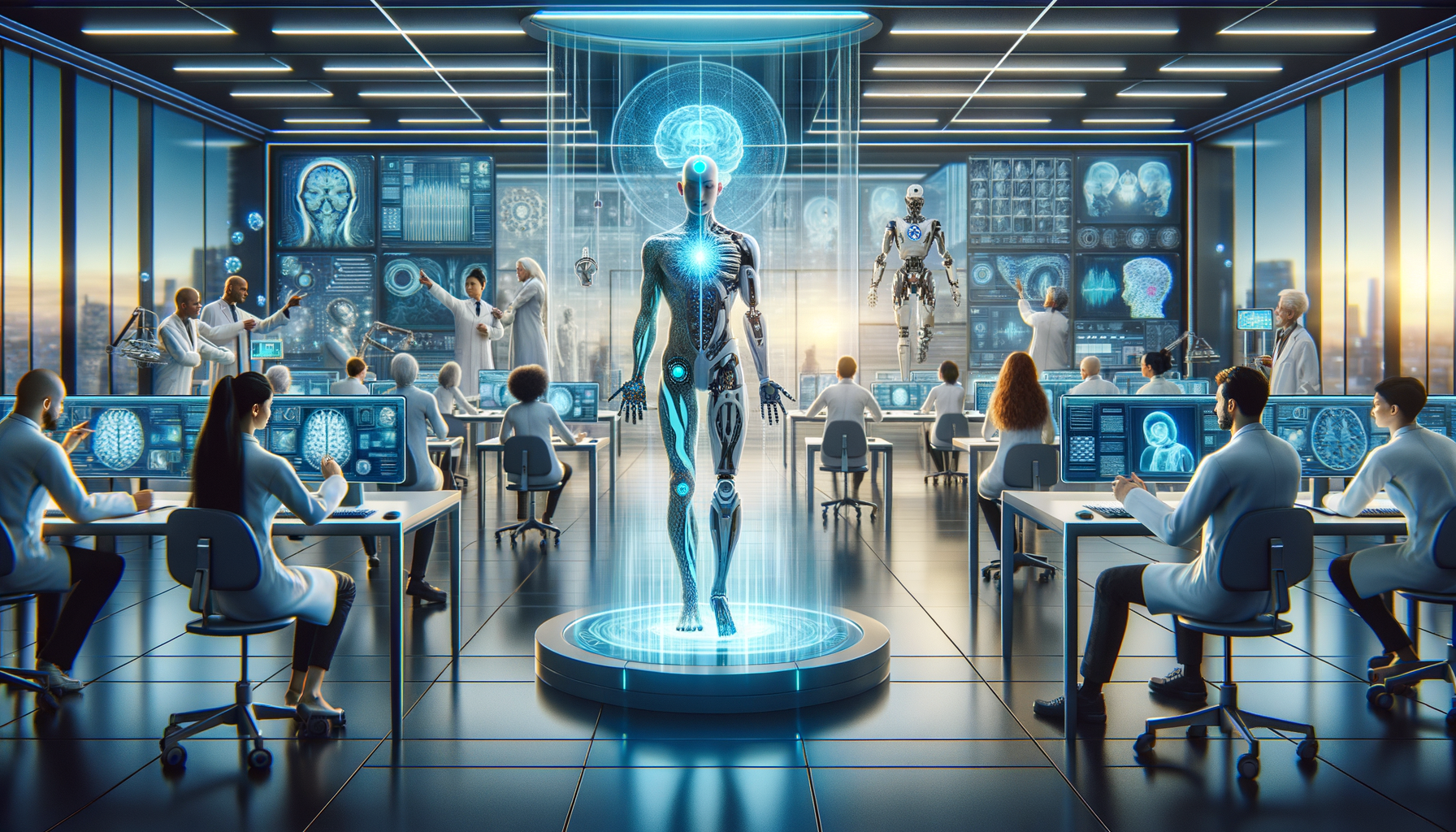
The Rise of Cybernetics: Revolutionizing Human Medicine
In recent years, the field of cybernetics has emerged as a transformative force in medicine, blending engineering principles with biological systems to create innovative solutions for healthcare. The integration of cybernetics into human medicine is not merely a trend; it represents a paradigm shift that has the potential to revolutionize how we prevent, diagnose, and treat diseases.
Cybernetics, at its core, is the study of regulatory systems and the communication processes within biological and artificial systems. It encompasses a range of disciplines including robotics, artificial intelligence, and control theory. By applying cybernetic principles to medicine, researchers and practitioners are creating groundbreaking technologies that enhance human capabilities and improve healthcare outcomes.
One of the most notable advancements in medical cybernetics is the development of neuroprosthetics. These devices interface directly with the nervous system, allowing individuals with disabilities to regain functionality that has been lost due to injury or illness. For example, brain-machine interfaces (BMIs) enable paralyzed patients to control prosthetic limbs or even computer cursors using their thoughts. This intersection of machine intelligence and biology is not just restoring lost capabilities; it is redefining what it means to be human.
Moreover, the integration of cybernetic systems into medicine is not limited to the enhancement of physical abilities. Telemedicine platforms, powered by cybernetic principles, facilitate long-distance patient monitoring and healthcare provision. This is particularly valuable in remote areas where access to traditional healthcare facilities may be limited. With real-time data transmission and analysis, healthcare providers can make informed decisions quickly, improving patient outcomes and reducing the burden on healthcare systems.
The promise of cybernetics extends to personalized medicine, where treatments are tailored to the unique genetic makeup of individuals. Cybernetic algorithms can analyze vast datasets to identify patterns that inform targeted therapies. This level of personalization is set to transform patient care, moving away from a one-size-fits-all approach to a more nuanced understanding of health and disease management.
While the rise of cybernetics in medicine brings many potential benefits, it is not without challenges. Ethical considerations surrounding privacy, data security, and the implications of human enhancement must be rigorously addressed. As we develop cybernetic systems that augment human capabilities, society must engage in thoughtful discussions about what enhancements are acceptable and how to ensure equitable access to these technologies.
In conclusion, the rise of cybernetics is poised to revolutionize human medicine in ways we are just beginning to understand. From neuroprosthetics that restore function to telemedicine that connects patients with healthcare professionals across great distances, the implications of cybernetic innovations are profound. As we navigate this evolving landscape, it is crucial for healthcare providers, policymakers, and society at large to collaborate in harnessing these technologies for the greater good. The future of medicine is not only about treating illness but enhancing human potential, and cybernetics is leading the charge.